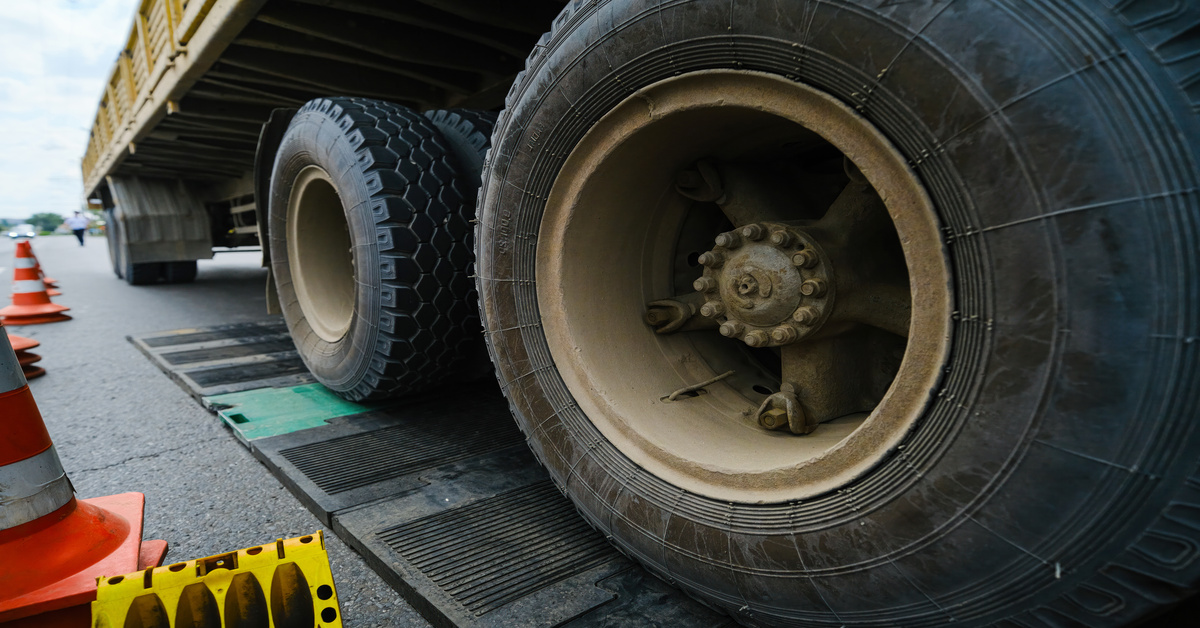
Axle load scales provide vital weight information for industries like shipping, construction, and agriculture. These scales measure the weight on each axle of a vehicle, which helps companies comply with legal weight limits and avoid overloading. Given their importance, maintaining the accuracy of these scales is a top priority. Without precise measurements, businesses risk fines, equipment damage, and safety hazards. Continue reading to explore calibration techniques for precision axle load scales.
Why Regular Calibration Is Necessary
Over time, even the most durable scales can lose accuracy. Factors like regular wear and tear, environmental changes, and frequent use can cause measurement drift. Regular calibration compares the scale’s readings to a known standard, correcting any deviations.
This process verifies that your scale provides dependable and precise weight data, which is essential for safe and legal operations. Performing routine calibration keeps your operations running smoothly and upholds your company’s reputation for reliability.
A Step-by-Step Calibration Process
Calibrating an axle scale involves a clear, systematic approach. First, you must clean the scale and the surrounding area to remove any debris that could affect measurements. Next, zero out the scale to establish a baseline. Then place certified test weights on the scale, starting with the smallest and gradually increasing to the scale’s capacity.
At each stage, record the scale’s reading and compare it to the test weight. If you find discrepancies, adjust the scale according to the manufacturer’s instructions until its readings match the certified weights. A final test run with a loaded truck axle scale confirms the adjustments are correct.
Common Calibration Challenges
You may encounter a few challenges during calibration. Environmental factors, such as wind or ground vibration, can interfere with the readings, so it is best to calibrate in a controlled setting. Another common issue is using uncertified or inaccurate test weights, which leads to incorrect calibration.
Always use weights certified by a recognized metrology organization. If you repeatedly encounter issues or the scale requires significant adjustments, it might indicate a more serious problem, such as a damaged load cell, which requires professional service.
Benefits of Accurate Axle Load Scales
Properly calibrated axle scales offer significant advantages. They help you avoid the high costs associated with overloaded vehicles, including fines and accelerated road wear. Accurate weights also prevent undue stress on your vehicles, extending their lifespan and reducing maintenance expenses.
Most importantly, precise measurements contribute to overall safety on the road by preventing accidents caused by overweight, unstable loads. This precision supports your operational efficiency and safety commitment.
Maintain Accuracy With Prime USA Scales
Consistent and accurate weighing begins with a properly calibrated scale. By following a regular calibration schedule and using correct techniques, you can trust the data your axle load scales provide. Prime USA Scales offers a range of reliable and NTEP-certified axle scales to meet your business needs. Contact us today to find the right scale for your operations.