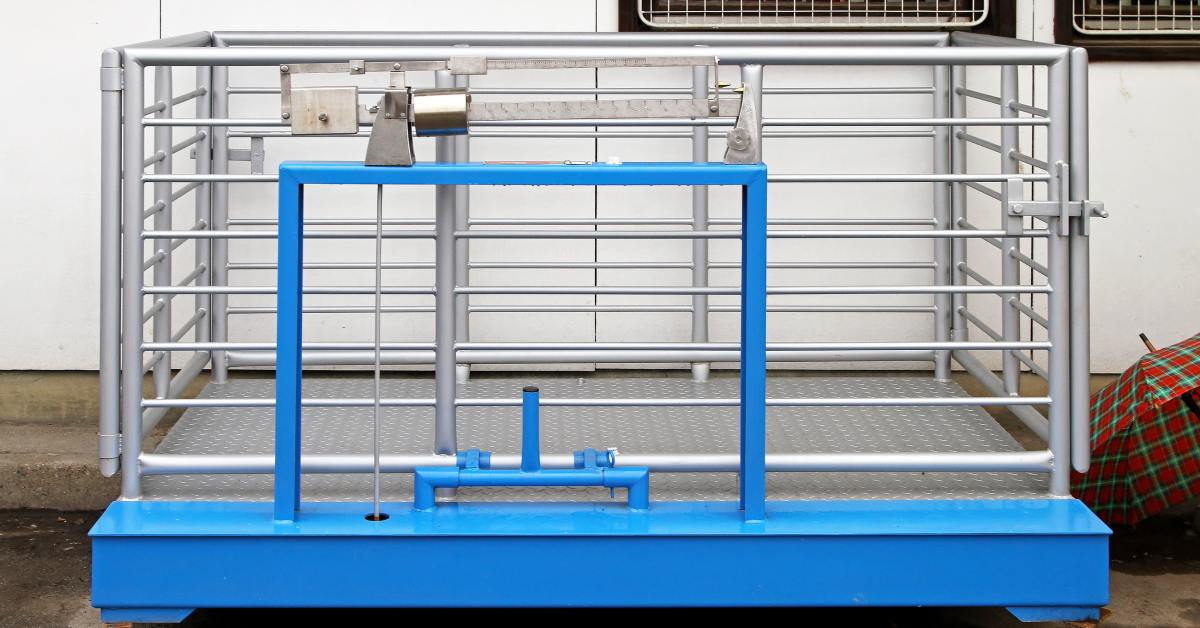
Accurate weights determine the profitability of your livestock operation. You rely on precise measurements to calculate feed efficiency, administer medication, and determine sale readiness. When investing in livestock scales, the sensor technology—the load cell—defines the equipment’s performance.
Most producers choose between hydraulic load cells and digital load cells for portable livestock scales. Understanding the mechanics behind each option allows you to select the right equipment for your chute.
The Reliability of Hydraulic Load Cells
Hydraulic load cells function by measuring fluid pressure. Heavy-duty pistons compress hydraulic fluid to generate a weight reading. Because these cells contain no internal electronic components, they offer exceptional durability against shock loads.
When a heavy animal slams into the head gate, a hydraulic system absorbs the force without losing calibration or suffering structural damage. This rugged nature makes hydraulic load cells a favorite for installations in remote areas where electricity is unavailable.
The Data Capabilities of Digital Load Cells
Electronic systems utilize strain gauges that change electrical resistance when weight applies pressure. These systems prioritize speed and connectivity. Modern digital livestock scales provide rapid weight lock-on, calculating an accurate weight even if the animal continues to move.
This speed reduces the amount of time animals spend in the chute. Furthermore, electronic indicators integrate seamlessly with electronic identification (EID) tags and herd management software. You can capture weight, average daily gain, and health records instantly, eliminating the need for manual notetaking.
The Maintenance Requirements of Each Option
Environmental factors significantly influence the lifespan of your livestock scale. Hydraulic systems are unaffected by lightning strikes and power surges, which are known hazards in outdoor feedyards. However, hydraulic fluid viscosity changes with temperature, so you must zero the scale frequently on days with large temperature swings to maintain accuracy.
Electronic systems require different care. While they offer superior resolution and higher precision by displaying weight in smaller increments, cables can experience damage from rodents or moisture. This means you must check connections regularly and replace individual electronic components as needed.
Maximize Your Return on Investment
Both hydraulic load cells and digital load cells offer distinct advantages in portable livestock scales. If your operation prioritizes extreme durability and operates off-grid, hydraulic load cells provide a robust solution. If you need high-level data analysis and speed to process large groups efficiently, digital load cells remain the industry standard. Evaluate your current facilities and long-term data goals to make the best choice for your herd.